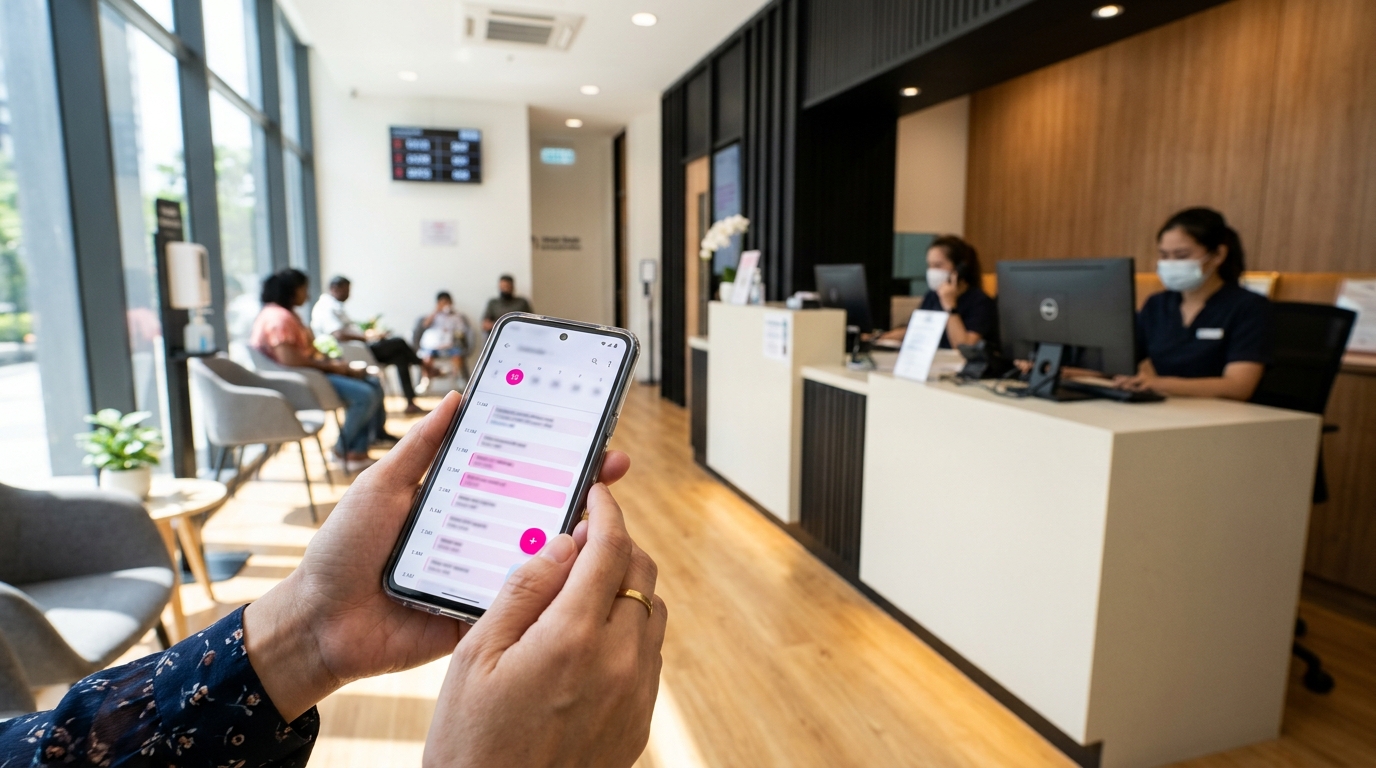
Quick Summary
- Core Concept: The Connected Smart Clinic Architecture
- Key Stat: Over 78% of urban healthcare consumers in Malaysia research private clinics and doctor credentials on mobile devices before booking consultations.
- Recommendation: Upgrade static brochure web pages into an automated, regulatory-compliant patient portal equipped with real-time scheduling, verified doctor profiles, and end-to-end data encryption.
Deploying a modern smarthealth website allows Malaysian private clinics to convert passive digital visitors into scheduled consultations through automated booking workflows and verified medical credentials. Instead of serving as static brochures, connected portals reduce administrative burdens while supporting compliance-ready operations aligned with Ministry of Health Malaysia standards and patient data privacy frameworks.
Private medical practices across Kuala Lumpur, Selangor, and Penang experience persistent operational friction at the reception counter. Staff members lose valuable hours addressing routine inquiries regarding practitioner rosters, consultation charges, and clinical procedures. These manual communication loops frequently result in missed calls, unconfirmed bookings, and frustrated prospective patients.
Simultaneously, Malaysian patients increasingly expect friction-free digital interactions when seeking medical care. When managing symptoms or scheduling routine reviews, individuals turn to mobile devices to evaluate doctor qualifications, verify clinic operating hours, and secure appointments without making phone calls during busy clinic hours.
Adopting a connected digital infrastructure bridges the gap between patient expectations and clinical efficiency. By integrating schedule automation, patient communication channels, and statutory advertising guardrails, healthcare practices can establish an authoritative online presence that consistently supports private practice growth.
1. Essential Capabilities of a Connected Clinical Web Platform
A modern clinical web platform must deliver real-time schedule synchronization, mobile-optimized triage forms, encrypted patient inquiry channels, and transparent practitioner profiles. These features eliminate administrative bottlenecks while providing patients with immediate booking certainty across any digital device.
Traditional clinic websites built as static digital brochures fail modern patient expectations. When a prospective patient browses an outdated webpage that only lists an unclickable telephone number or a generic contact email, the friction often leads them to abandon the search and visit a competitor. In contrast, a connected digital platform serves as an interactive clinical front desk that functions continuously outside regular consultation hours.
Integrating dedicated scheduling tools such as the LamaniHub appointment system eliminates manual administrative friction by connecting website calendar slots directly with practitioner availability. Patients select their required consultation slot, receive instant confirmation, and enter the clinic workflow with minimal manual data entry from reception teams.
“A clinic website that cannot confirm an appointment in real time operates like a closed door during peak inquiry hours.” — Healthcare Operations Consultant, Lamanify
Maintaining clear navigation pathways and a logical content hierarchy helps both patients and search engines locate essential medical services efficiently, as outlined in the Google Search Central: SEO Starter Guide.
Core Administrative Automation Modules
Modern clinical platforms incorporate automated workflows that handle routine administrative responsibilities:
- Real-time calendar synchronization matching general practitioner and specialist duty rosters.
- Mobile-first responsive layouts tailored for urgent, on-the-go patient queries.
- Encrypted intake funnels reducing front-desk manual data entry errors.
- Structured medical service profiles that address specific patient clinical concerns.
By standardizing these digital touchpoints, private clinics protect operational bandwidth while delivering a seamless, dependable booking experience for new and returning patients alike.
2. Navigating KKLIU and Medical Advertising Compliance
Malaysian clinics maintain advertising compliance by presenting factual, verifiable treatment descriptions without comparative superlatives or misleading claims. Practitioners must display approved KKLIU reference codes and verify that all published clinical information aligns with Malaysian Medical Council ethical standards.
Under Malaysian regulations governing medical advertising, all public claims concerning clinical services, treatment efficacy, and practitioner capabilities must be substantiated and accurate. The Medicine Advertisements Board oversees healthcare promotions to protect consumers from deceptive, unsubstantiated promises. Clinic operators who publish marketing materials without proper verification risk statutory enforcement, reputational damage, and advertisement takedowns.
Practitioners should consult our dedicated KKLIU guideline to review the statutory approval parameters required before publishing promotional healthcare campaigns. Educational content must remain strictly objective, focusing on condition explanations, clinical diagnostic criteria, and standard treatment protocols rather than promotional superlatives.
Substantiation Requirements for Medical Claims
When publishing procedure overviews or service details, clinical web platforms must observe specific regulatory criteria:
- Every clinical claim must reflect established medical consensus and peer-reviewed clinical research.
- Promotional discounts, package rebates, or time-limited pricing guarantees on clinical treatments should be avoided.
- Descriptions of clinical outcomes must feature balanced language, using phrases like “evidence suggests” or “may support” rather than absolute assertions of cure.
- Statements covering specific prescription drugs or controlled procedures must clearly note that indications remain subject to clinical assessment and relevant healthcare advertising approvals.
Displaying Doctor Credentials Under MMC Guidelines
Doctor profile pages must clearly state qualifications recognized by the Malaysian Medical Council without exaggerating clinical seniority or using misleading titles. Listing verified medical degrees, National Specialist Register credentials, and specific areas of clinical practice establishes professional credibility while upholding statutory transparency standards.
3. Patient Data Privacy and Secure Workflow Integration
The Personal Data Protection Act 2010 mandates that Malaysian private clinics secure patient records using end-to-end encryption, strict access privileges, and transparent consent disclosures. Medical providers must ensure collected booking details are never disclosed to third parties without explicit authorization.
Healthcare portals handle sensitive information, including personal identification details, contact numbers, and preliminary medical symptom descriptions. Under the Personal Data Protection Act (PDPA), medical practices must implement physical and technical safeguards to prevent unauthorized data access, accidental loss, or unlawful processing.
| Architecture Component | Legacy Clinic Website | Connected Smart Health Platform |
|---|---|---|
| Patient Scheduling | Manual phone calls or static contact forms | Real-time synchronization with clinic calendar |
| Data Protection & PDPA | Unencrypted emails and open web forms | End-to-end encryption with explicit consent checkboxes |
| After-Hours Support | Unanswered queries until next clinic shift | Automated triage and instant inquiry response |
| Regulatory Alignment | Unvetted claims risking advertising penalties | Substantiated clinical content adhering to KKLIU rules |
| Mobile Experience | Unresponsive desktop views with slow load times | Mobile-optimized pages meeting Core Web Vitals |
Replacing open contact forms with secure interactive systems like the LamaniChat AI receptionist allows clinics to capture initial triage details safely. This approach helps front-desk teams route urgent patient requests appropriately without exposing clinical records to unverified third-party platforms.
Core PDPA Safeguards for Clinical Web Portals
Securing the patient data lifecycle requires comprehensive technical controls across all web assets:
- Explicit PDPA consent notices prominently positioned on all digital intake and booking forms.
- Full SSL/TLS transport encryption implemented across every page, subfolder, and form submission endpoint.
- Role-based access credentials restricting patient inquiry databases strictly to authorized clinical personnel.
- Standardized data retention schedules that automatically purge unneeded lead data according to statutory medical record-keeping practices.
4. Search Engine Visibility and Local Patient Acquisition
Clinics capture local patient search traffic by optimizing Google Business Profiles, structuring location-specific medical service pages, and maintaining consistent business details. Aligning technical page performance with verified medical authority signals positions practices directly in front of active community searchers.
When individuals experience acute medical symptoms or require specialized consultations, they perform localized searches within their immediate vicinity. Capturing this high-intent traffic requires maintaining accurate, verified clinic information across every digital platform, adhering strictly to the Google Business Profile Help: Guidelines for Representing Your Business on Google.
To earn sustained visibility on medical search queries, healthcare websites must deliver genuine clinical utility rather than keyword-stuffed copy. Following the principles outlined in Google Search Central: Creating Helpful, Reliable, People-First Content ensures that service pages educate patients clearly while meeting the rigorous quality standards expected of health-related topics.
Partnering with technical specialists through dedicated healthcare SEO services enables private practices to develop comprehensive local landing pages that rank for high-value clinical terms across their target catchment areas.
Local Visibility Essentials for Healthcare Practices
To strengthen local search rankings, clinics should systematically implement these foundational optimizations:
- Maintaining strict uniformity across clinic name, address, telephone numbers, and operating hours across all web platforms.
- Creating procedure-specific informational pages tailored to nearby neighborhoods and residential districts.
- Encouraging verified patient reviews through ethical follow-up communication protocols.
- Optimizing mobile page loading speeds to satisfy Core Web Vitals and lower bounce rates for mobile searchers.
5. Converting Web Traffic into Confirmed Clinic Appointments
Medical websites achieve high conversion rates by featuring prominent booking buttons, real-time fee schedules, clear clinic location maps, and interactive doctor credentials. Removing unnecessary registration steps allows patients experiencing discomfort to complete appointment bookings in under two minutes.
Patients seeking medical care frequently browse websites while feeling unwell, anxious, or pressed for time. Complex multi-step questionnaires, hidden clinic operating hours, and missing location details induce cognitive fatigue, prompting visitors to exit the site prematurely. A patient-centric interface removes barriers to care by placing vital information within immediate reach.
Integrating direct messaging channels via WhatsApp automation provides a responsive pathway for prospective patients who need preliminary administrative clarification before confirming a physical consultation.
“A successful healthcare web portal treats user experience as a form of patient care. Clarity and speed reduce anxiety during the booking process.” — Clinical Operations Director, Lamanify
Identifying conversion bottlenecks requires continuous technical evaluation. Conducting an objective clinic growth audit allows practice owners to uncover broken links, sluggish mobile performance, and unclear calls to action that undermine patient acquisition.
Essential Platform Implementation Checklist
Before launching or upgrading your digital clinical portal, review this baseline deployment checklist:
- Audit existing website forms to verify SSL encryption and PDPA consent compliance
- Implement real-time appointment booking linked directly with front-desk staff schedules
- Verify all clinical treatment claims against KKLIU and Medicine Advertisements Board guidelines
- Optimize Google Business Profile categories, address details, and consultation hours
- Review mobile page loading speeds to ensure Core Web Vitals meet Google performance standards
Conclusion
A well-structured digital presence is essential for private clinics navigating a competitive healthcare market. Modernizing clinical infrastructure through a high-performing smarthealth website eliminates administrative bottlenecks, streamlines intake procedures, and establishes verifiable medical authority within the local community.
Medical practices that implement automated scheduling, uphold patient data privacy standards, and adhere to medical advertising frameworks will consistently build lasting community trust. By investing in resilient digital workflows, private clinics elevate the overall standard of care while securing measurable long-term practice growth.
Discover how your clinic can streamline patient bookings and strengthen digital compliance by requesting a comprehensive clinic growth audit.
Frequently Asked Questions
What distinguishes a smart health website from a standard clinic website?
A smart health website integrates real-time electronic medical records, automated patient scheduling, and encrypted inquiry processing. Unlike static brochure websites, it functions as a digital clinic front desk that manages patient journeys while upholding Malaysian data privacy standards.
How do KKLIU regulations affect Malaysian clinic website features?
The Medicine Advertisements Board requires all public medical advertising and claims to be verifiable, accurate, and approved under KKLIU guidelines. A smart clinic platform must present doctor credentials, treatments, and pricing objectively without unsubstantiated superlatives or misleading promotional guarantees.
What patient data security standards are required under Malaysian PDPA?
Under the Personal Data Protection Act 2010, Malaysian medical practices must secure all digital patient data during collection, processing, and storage. Digital intake forms and live scheduling systems require explicit user consent checkboxes, transport encryption, and access controls.
Can a smart clinic website integrate automated patient booking?
Yes, Malaysian clinics can integrate automated scheduling platforms like LamaniHub to connect website appointment slots directly with consultation room availability, sending real-time SMS or WhatsApp confirmations while avoiding double bookings and operational overhead.
How does technical website speed influence patient acquisition?
Prospective patients facing acute symptoms leave slow-loading pages within seconds. A fast, mobile-responsive healthcare portal satisfies Google Core Web Vitals, reduces bounce rates, and secures higher local organic visibility across competitive Malaysian healthcare search results.

Healthcare Content Specialist
Sarah
Sarah is a healthcare digital content specialist at Lamanify, focusing on Malaysian clinic compliance (KKLIU & PDPA), patient intake workflows, and medical practice marketing.