Quick Summary
- Core Concept: The 4-Pillar Digital Clinic Model
- Key Stat: Clinics with compliant, fast-loading digital platforms see up to a 40% reduction in appointment drop-offs.
- Recommendation: Audit your existing platform for technical speed, mobile responsiveness, and regulatory compliance before investing in paid acquisition.
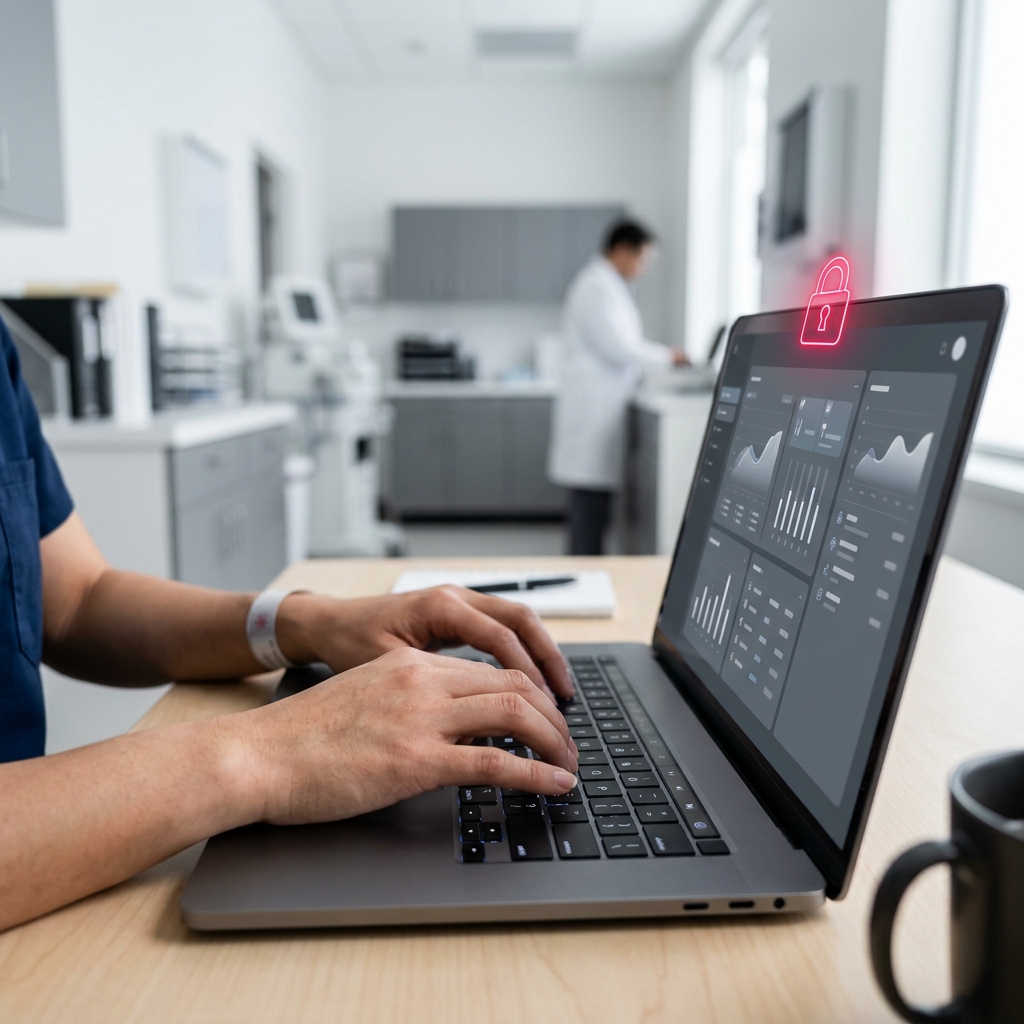
For Malaysian clinics, patient trust begins online. Proper healthcare website development establishes a secure, fast, and compliant digital gateway that converts local searches into scheduled visits.
Operating a medical practice in Malaysia involves navigating strict regulatory environments. Beyond simply looking professional, your online real estate must strictly protect patient data and adhere to medical advertising standards set by the Malaysian Medical Council. A poorly constructed platform not only hurts patient trust but risks regulatory penalties.
The digital patient journey demands friction-free interactions. From finding accurate operation hours to booking a specialist consultation on a mobile device, every touchpoint must be optimized. Modern clinics are shifting from basic informational pages to active patient acquisition engines.
This guide introduces The 4-Pillar Digital Clinic Model. We will explore the critical elements of trust, user experience, secure integrations, and foundational SEO required to elevate your clinic above local competitors.
1. Trust and Regulatory Compliance in Malaysia
Patient trust online depends directly on regulatory compliance. In Malaysia, your digital platform must strictly adhere to Personal Data Protection Act (PDPA) standards for data collection, while ensuring all service claims receive Medicine Advertisements Board approval under KKLIU.
Establishing an online medical presence requires strict adherence to national guidelines.
“When KKLIU compliance fails on launch, the cost is 6-12 months of advertising downtime.” — Healthcare Marketing Compliance Lead, Lamanify
Protecting Patient Privacy
The PDPA mandates that any patient information collected through contact forms or booking systems must be securely processed. Data encryption and PDPA alignment for patient contact forms are non-negotiable to prevent unauthorized access.
Navigating Medical Advertising Laws
The Ministry of Health Malaysia requires all medical claims to be accurate and substantiated. Adherence to ethical guidelines avoids guaranteed medical outcomes. Clear display of KKLIU approval numbers for specific service claims is required. Highlighting procedure efficacy is strictly monitored (Subject to KKLIU advertising guidelines). For a deeper dive into compliance, review this KKLIU guideline.
2. Designing a Mobile-First Patient Experience
A seamless patient journey relies on mobile optimization and intuitive navigation. Because most patients search for medical services on their smartphones, a responsive design ensures they can access clinic hours, practitioner details, and contact forms without frustrating delays.
The majority of health-related searches occur on mobile devices during moments of immediate need.
Speed as a Trust Factor
Frustrated patients will quickly bounce to a competing clinic’s page if load times are slow. Optimizing image sizes to improve page loading speeds helps retain visitors who need quick answers.
Clear Pathways to Care
Implementing responsive design across all devices ensures your site displays perfectly on screens of any size. Streamlining navigation to prioritize immediate contact options allows users to find what they need instantly.
- Implementing responsive design across all devices to capture mobile traffic.
- Streamlining navigation to prioritize immediate contact options.
- Optimizing image sizes to improve page loading speeds.
3. Integrating Secure Booking and Communication
Integrating a secure booking system transforms a static page into an active patient acquisition tool. Tools like LamaniHub allow patients to schedule appointments directly, reducing administrative burden while ensuring all health data remains strictly confidential and protected.
A modern clinic page must bridge the gap between initial discovery and actual visitation.
Streamlining the Scheduling Process
Transitioning traffic to conversion requires an automated approach. Using a dedicated medical appointment system ensures seamless calendar synchronization for accurate availability. Automated appointment reminders also help reduce no-shows.
Automating Routine Patient Queries
Patients often ask the same basic questions regarding operation hours or location. Integrating secure, privacy-compliant chat interfaces like a LamaniChat AI receptionist or WhatsApp automation can answer basic operational queries 24/7 without violating medical advice rules.
| Feature | Generic Website Builder | Healthcare-Specific Platform |
|---|---|---|
| Patient Data Collection | Basic email routing (Privacy risks) | PDPA-compliant secure storage |
| Appointment Booking | Manual contact forms | Direct calendar synchronization |
| Advertising Compliance | Unregulated text fields | Built-in KKLIU approval structures |
4. Establishing Technical SEO Foundations
Local search visibility hinges on technical foundations. Following Google Search Essentials guidelines for site structure and crawlability ensures search engines can correctly index your clinic, making it easier for nearby patients to discover your specialized medical services.
Building a beautiful platform is useless if local patients cannot find it on search engines. Clean architecture is vital.
Crawlability and Indexing
Implementing proper header tags and schema markup gives search crawlers the context they need. Creating logical site hierarchy and URL structures ensures each service page is easily accessible. Reviewing the official SEO Starter Guide provides excellent baseline practices for site structure.
Connecting with Local Search Ecosystems
Synergy between your main platform and local directories drives patient acquisition. Ensuring cross-compatibility with local directory listings strengthens your local footprint. Adhering to the Guidelines for Representing Your Business on Google maximizes your profile’s accuracy. Partnering with professionals for healthcare SEO can maintain this technical edge.
5. Developing Authority-Driven Content
Building medical authority requires producing helpful, reliable content. By aligning with Google’s helpful content guidelines, your clinic can showcase professional expertise, address common patient concerns, and establish long-term trust before a patient even walks through the door.
Content serves as the voice of your medical practitioners, addressing patient concerns proactively. Referencing a comprehensive clinic marketing guideline can align your messaging.
People-First Medical Writing
There is a distinct difference between keyword-stuffed pages and material designed for actual patients. Producing helpful, reliable, people-first content that directly answers medical queries builds early trust. Publishing detailed, medically accurate service descriptions must always pass the Medicine Advertisements Board filter for accuracy (Subject to KKLIU advertising guidelines).
Showcasing Clinic Expertise
Trust is built on transparency. Creating practitioner bios that highlight qualifications and experience reassures prospective visitors. Maintaining an active FAQ section for common patient inquiries reduces friction.
“Patients evaluate your medical expertise based on the clarity and compliance of your online content long before they book a consultation.” — Clinic Director, Healthcare Content Review Board
- Verify all data collection forms comply with PDPA requirements.
- Ensure all service claims are accurate and adhere to KKLIU guidelines.
- Test the mobile responsiveness and loading speed of the platform.
- Integrate a secure, automated appointment scheduling system.
- Implement basic technical SEO foundations including proper site structure.
Conclusion
A professionally developed digital platform is the cornerstone of modern patient acquisition. By prioritizing compliance, user experience, and technical foundations, your clinic can convert online searches into lasting patient relationships.
Investing in purposeful healthcare website development ensures that your practice remains visible and trusted in a competitive market. When a platform is engineered for both search engine visibility and patient convenience, the result is sustainable clinic growth.
Identify technical gaps in your current digital presence with our comprehensive review.
Frequently Asked Questions
Why do Malaysian clinics need a specialized digital platform?
Clinics need specialized platforms to ensure compliance with medical advertising regulations, protect patient data, and provide secure appointment booking systems that generic platforms often lack.
How does KKLIU affect my clinic's online presence?
KKLIU requires all medical advertising claims on your digital platform to be accurate, substantiated, and approved by the Medicine Advertisements Board to prevent misleading information.
What is the role of PDPA in patient data collection?
The Personal Data Protection Act (PDPA) mandates that any patient information collected through contact forms or booking systems must be securely processed, stored, and protected against unauthorized access.
Can I integrate a booking system into my clinic's platform?
Yes, integrating a secure appointment system like LamaniHub allows patients to book visits directly online, improving patient experience while streamlining front-desk operations.
How long does it take to build a compliant digital presence?
A professionally developed, compliant digital platform typically takes 4 to 8 weeks, depending on the complexity of integrations, content creation, and regulatory review processes.

Founder & Creative Director
Azri Omar
Azri is a seasoned digital marketer with over 10 years of experience in brand development and marketing strategies. Graduated with a Master's in Engineering (MEng.) from Sheffield, UK, Azri began his digital marketing journey during his studies, honing his skills in design, copywriting, and crafting impactful digital experiences. Today, he helps clients build professional and highly visible online presences, ensuring their brands thrive in a competitive digital landscape.