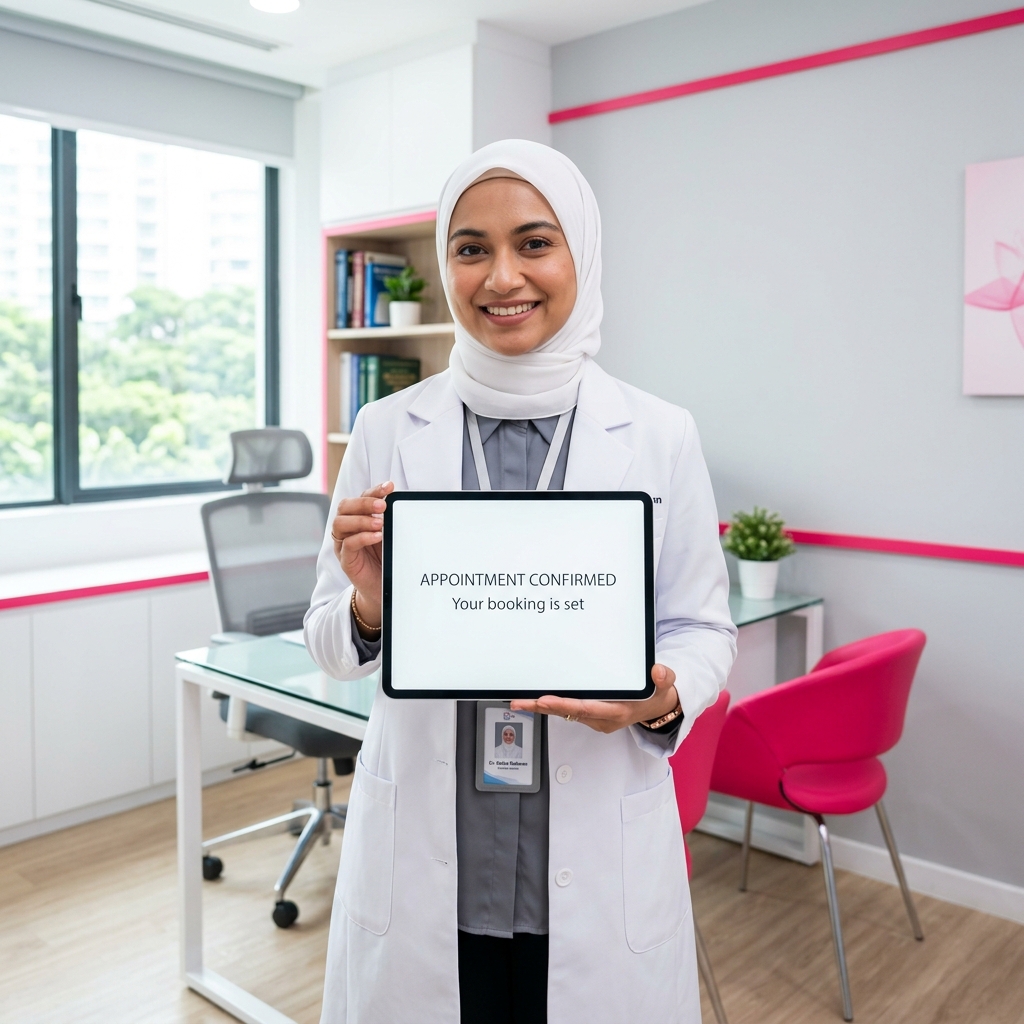
Quick Summary
- Core Concept: The Compliant Clinic Portal Framework
- Key Stat: Clinics implementing secure digital patient portals see a measurable reduction in administrative workload and significantly faster patient intake processes.
- Recommendation: Upgrade your digital infrastructure using secure appointment systems that align strictly with national privacy laws and established advertising standards.
To build a clinical portal that functions like a reliable eha website, you should prioritise patient accessibility and strict data protection. This ensures your practice operates efficiently while protecting sensitive medical records under national privacy regulations, creating a trustworthy digital gateway.
Patient search behaviour increasingly favours medical facilities that offer instant online access over traditional telephone bookings.
When practices fail to provide intuitive digital platforms, they risk losing potential appointments to competitors who have proactively invested in modern operational infrastructure.
By implementing The Compliant Clinic Portal Framework, you can transform your digital presence into a highly functional hub that attracts the local community while adhering strictly to regulatory advertising guidelines.
1. Essential Features of a Modern Medical Platform
A modern clinical digital presence requires mobile-responsive design, clear navigation, and secure data handling. By integrating robust digital tools, Malaysian healthcare providers ensure patients can easily find services, book appointments, and access necessary care information without encountering technical barriers.
Establishing a robust digital foundation is critical for converting online visitors into scheduled appointments. When patients look for healthcare services, they expect the interface to perform efficiently across mobile and desktop devices.
Prioritising User Experience
Fast page loading speeds are necessary to reduce bounce rates and maintain visitor engagement. When integrating clinical service lists, ensure that operational hours and location data are instantly visible on the screen. To understand technical quality baselines, clinics should review the SEO fundamentals provided by Google, which emphasise crawlability, structured data, and clear navigation.
Technical Baselines for Visibility
A digital patient portal must prioritize on-the-go access. Streamlined digital interfaces improve patient trust from the first interaction, guiding users naturally from information gathering to formal booking.
- Mobile-first design for on-the-go patient access
- Clear display of operational hours and location data
- Intuitive navigation menus for clinical services
- Fast page loading speeds to reduce bounce rates
2. Navigating Patient Privacy and Data Security
Handling sensitive patient information requires strict adherence to the Personal Data Protection Act 2010. By implementing encrypted forms and secure servers, clinics prevent unauthorised access to health records and build essential trust with patients interacting through digital channels.
Collecting health data digitally requires rigorous security measures to protect individuals and comply with the law. Protecting commercial data processing is vital for retaining professional credibility.
Understanding PDPA Requirements
National PDPA mandates require practices to restrict internal access to health data strictly to authorized personnel. Clinics must display clear privacy policy statements before patients submit data online. By upgrading to a compliant appointment system, your practice effectively aligns with these national data mandates.
“When digital intake tools ignore PDPA compliance, the long-term cost is patient trust and potential regulatory action.” — Healthcare Compliance Lead, Lamanify
Securing Digital Workflows
Encrypting online intake forms ensures that personal identifiers remain confidential during transit. This compliance protects both the patient’s identity and the practice’s professional reputation against digital vulnerabilities.
- Encrypting online intake forms
- Displaying clear privacy policy statements
- Restricting internal access to health data
- Aligning with national PDPA mandates
3. Complying with Medical Advertising Regulations
Medical advertising in Malaysia must be accurate, substantiated, and aligned with Ministry of Health Malaysia guidelines. Displaying valid KKLIU approval numbers on promotional materials ensures your clinic avoids regulatory penalties while maintaining a highly professional standard of patient communication.
Digital content must remain factual, ethical, and fully compliant with national regulatory bodies. The Malaysian Medical Council enforces strict professional standards regarding how treatments and clinical capabilities are presented to the public.
The Role of KKLIU Approvals
Securing formal approval via the KKLIU guideline process is mandatory before publishing any service claims. Any pricing, treatment efficacy, or medical equipment information shared on your digital hub must be fully substantiated (Subject to KKLIU advertising guidelines).
Ethical Digital Communication
Digital content cannot promise unrealistic outcomes, guaranteed results, or absolute cures. Instead, language must remain objective, stating that specific treatments “may help” or “are associated with” certain improvements under clinical supervision.
- Obtaining KKLIU approval for service claims
- Avoiding exaggerated or unsubstantiated guarantees
- Maintaining professional conduct in digital copy
- Displaying necessary approval numbers clearly
4. Integrating Automated Appointment Systems
Integrating a digital booking system streamlines the entire patient intake process. Tools like automated reminders and real-time scheduling reduce administrative burdens, decrease no-show rates, and provide patients with the immediate service access they expect from a modern healthcare facility.
Manual scheduling creates bottlenecks that frustrate patients and burden administrative staff. Transitioning to self-service models improves overall practice efficiency and patient satisfaction.
Reducing Administrative Friction
Enabling 24/7 self-service scheduling removes front desk telephone congestion during peak operational hours. By leveraging tools like a WhatsApp automation workflow, clinics can send instant digital reminders to actively lower daily no-show rates.
| Feature | Manual Scheduling | Automated Booking System |
|---|---|---|
| Availability | Restricted to clinic operating hours | 24/7 continuous self-service access |
| Reminders | Time-consuming manual phone calls | Instant, automated digital notifications |
| Data Entry | Prone to transcription errors | Direct secure patient input |
Continuous Patient Support
To manage out-of-hours inquiries effectively, practices can deploy an AI receptionist to answer basic questions and capture leads continuously. This ensures prompt responses even when the physical clinic is closed for the day.
- Enabling 24/7 self-service scheduling
- Sending automated SMS or email reminders
- Reducing front desk telephone congestion
- Managing out-of-hours inquiries effectively
5. Optimising for Local Patient Discovery
Local digital discovery relies on accurate online directories and well-structured platform content. By ensuring consistent business details across Google Search and your main digital hub, you increase the likelihood of attracting nearby patients actively seeking immediate medical consultations.
A highly functional platform requires strategic local visibility to attract nearby individuals seeking care. The connection between your primary digital portal and local search demands ongoing precision.
Mastering Local Search Directories
Syncing details with Google Business Profiles ensures your clinic appears correctly on local maps. Maintaining accurate Name, Address, and Phone (NAP) data is essential. For best practices, review the Google Business Profile representation guidelines to ensure your operational hours and business categories are mapped precisely.
“A beautiful digital booking system is useless if local patients cannot find your practice accurately mapped on search engines.” — Clinic Growth Consultant, Lamanify
Connecting Platforms and Profiles
Publishing helpful, people-first service pages builds authority within your community. Adhering to people-first SEO content standards signals trustworthiness to search algorithms and prospective patients alike. Partnering for professional SEO services can bridge the gap between technical infrastructure and local patient search demands.
-
Syncing details with Google Business Profiles
-
Using accurate location-based keywords
-
Publishing helpful, people-first service pages
-
Encouraging authentic patient reviews
-
Audit your current digital presence for mobile responsiveness and load speeds.
-
Implement a secure, encrypted digital appointment system.
-
Verify that your data collection methods comply with the PDPA.
-
Review all digital service claims for KKLIU compliance and accuracy.
-
Update your Google Business Profile to match your main platform exactly.
Conclusion
A well-structured digital hub transforms how your practice connects with the local community. By developing an online infrastructure that operates with the reliability of a high-performing eha website, you actively streamline clinical operations and significantly improve overall patient satisfaction.
Take deliberate steps today to upgrade your technical foundation while ensuring strict alignment with national privacy and advertising standards. Consistent implementation protects your practice from regulatory issues and accelerates sustainable digital growth.
Ready to secure your clinical scheduling infrastructure? Start improving your clinical platform today.
Frequently Asked Questions
What functionality should a modern clinic portal include?
A modern clinic portal should feature secure appointment scheduling, clear service descriptions, accurate operational hours, and mobile-responsive navigation to ensure easy patient access.
How do privacy laws affect patient data collection?
Clinics must comply with the Personal Data Protection Act 2010 by securing patient data, obtaining proper consent during digital intake, and implementing encrypted data storage protocols.
Why is KKLIU compliance necessary for a digital presence?
The Ministry of Health Malaysia requires all medical advertising to be accurate and substantiated. Displaying valid KKLIU approval numbers ensures your digital claims meet these strict regulatory standards.
Can an automated system improve patient retention?
Yes, automated systems reduce administrative friction. By enabling instant bookings and sending automated reminders, clinics can lower no-show rates and significantly improve the overall patient experience.

Founder & Creative Director
Azri Omar
Azri is a seasoned digital marketer with over 10 years of experience in brand development and marketing strategies. Graduated with a Master's in Engineering (MEng.) from Sheffield, UK, Azri began his digital marketing journey during his studies, honing his skills in design, copywriting, and crafting impactful digital experiences. Today, he helps clients build professional and highly visible online presences, ensuring their brands thrive in a competitive digital landscape.