Quick Summary
- Core Concept: The Content Sovereignty Architecture: A three-stage operational system enabling medical practices to download, verify, and republish short-form social video content directly to owned clinic web assets without violating regulatory guidelines.
- Key Stat: Medical practices lose over 80% of potential appointment conversions when high-engagement social media video assets remain confined to third-party social platforms rather than living on owned search-indexed web properties.
- Recommendation: Transition from treating short-form video as temporary social posts to building a permanent, search-optimized educational library on your practice website connected directly to online consultation booking workflows.
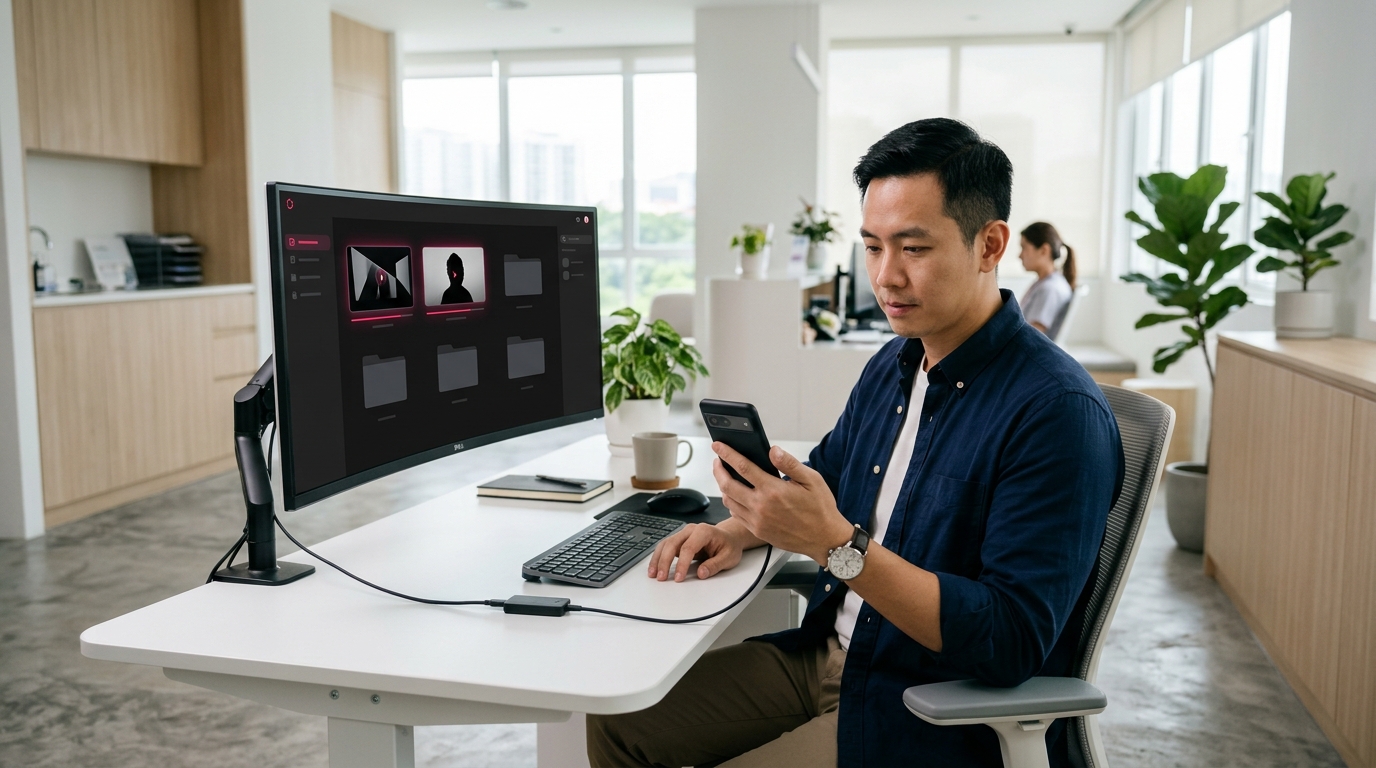
Malaysian healthcare clinics producing educational short-form clips often need to download video tiktok assets to repurpose physician explainers across high-converting clinic websites. Extracting original media files without platform watermarks helps practices maintain content sovereignty while turning casual social views into verified patient inquiries.
Private practices across Kuala Lumpur, Petaling Jaya, and Penang invest substantial clinical hours producing vertical video content. Relying purely on third-party algorithms leaves this educational material exposed to abrupt reach declines and unexpected policy changes without building durable local search equity.
Harvesting original footage brings distinct technical and regulatory hurdles. Private clinics must navigate strict advertising vetting under the Medicine Advertisements Board and patient confidentiality standards governed by the Malaysian Medical Council before republishing clinical footage on commercial domains.
Practices can bridge this divide using structured archiving protocols and dedicated conversion infrastructure. Combining systematic file retention with ethical marketing safeguards allows medical teams to protect their intellectual property, maintain regulatory alignment, and funnel active viewers into consultation pipelines.
1. Technical Extraction: Archiving Clean Video Files Without Platform Watermarks
Practices should prioritize native account exports or authorized creator studio tools over public browser rippers. Clean raw media preservation prevents compression artifacts, eliminates distracting platform logos, and preserves original resolution for responsive website embedding across desktop and mobile devices.
Source File Integrity: Avoiding Web Compression Losses
Healthcare content creators often make the mistake of redownloading published clips directly through public web utilities. These tools recompress audio and video streams, creating pixelation and artifacts that diminish the professional image of an aesthetic clinic or general dental practice.
“Relying on unauthorized browser extensions to scrape clinic media exposes internal networks to tracking scripts and strips away vital audio-video clarity.” — Healthcare Technology Lead, Lamanify
Maintaining an organized master library ensures that source assets remain crisp across desktop and mobile clinic pages. Video files should be retained in high-definition MP4 containers with original audio balances intact, facilitating seamless syndication through WhatsApp automation sequences or web landing pages.
Clinic Cybersecurity: Shielding Practice Hardware From Malicious Download Portals
Administrative computers within medical facilities handle sensitive diagnostic information and patient records. Utilizing unverified browser extensions or ad-supported conversion sites introduces substantial operational risks, including malware execution, credential theft, and unauthorized data scraping.
- Native device storage: Save master video recordings to local clinical drives before applying platform stickers or native app filters.
- Studio desktop archives: Export published assets directly from verified creator studio dashboards to prevent watermark overlays without third-party tools.
- Formatted media storage: Organize clinical media assets by specialty, doctor attribution, and procedure type in secure cloud repositories.
- Resolution standardization: Maintain raw vertical assets at 1080x1920 resolution to ensure responsive playback on practice websites.
2. Regulatory Clearance: Vetting Repurposed Medical Media Under KKLIU Mandates
Any short-form video republished on an official clinic website that promotes clinical services, displays treatment results, or claims medical efficacy requires formal approval from the Medicine Advertisements Board under the Ministry of Health Malaysia before publication.
The Threshold of Healthcare Advertising: From Social Post to Commercial Site
While organic educational videos on social channels operate within specific communication frameworks, embedding those exact visual assets onto a clinic website transforms them into commercial advertisements. In 2025, healthcare advertising enforcement actively audits private healthcare domains to ensure promotional claims carry verifiable validation.
Clinicians must review their video scripts to ensure treatment efficacy statements are evidence-based and clearly contextualized (Subject to KKLIU advertising guidelines). Reviewing our practical KKLIU guideline helps administrative teams identify and eliminate prohibited superlatives, absolute cure guarantees, and improper pricing displays prior to web deployment.
| Compliance Dimension | Organic Social Media Channel | Repurposed Clinic Website Asset | Required Governance Action |
|---|---|---|---|
| Regulatory Oversight | Monitored community guidelines and basic professional conduct | Medicine Advertisements Board commercial advertising oversight | Obtain and display formal KKLIU approval verification codes |
| Clinical Efficacy Claims | Contextual clinical education and physician commentary | Strictly regulated commercial service promotion | Substantiate all claims with peer-reviewed medical data |
| Patient Likeness Consent | Platform-specific media authorization | Personal Data Protection Act commercial processing mandate | Secure signed, platform-specific written release agreements |
| Pricing and Incentives | Informal educational references | Strict prohibition of inducement or comparative fee structures | Remove promotional discounting and time-limited service offers |
Verification Checklists: Ensuring Claims Meet Accuracy Standards
Before any short-form procedural explainer goes live on an official service landing page, clinical management must conduct a formal content audit. Aligning digital copy with authoritative health guidance prevents regulatory notices while building enduring community trust.
- Script validation: Verify that all procedural explanations cite recognized clinical indications without promising guaranteed outcomes.
- Credential verification: Display the practitioner’s official registration details recognized by the Malaysian Medical Council clearly on the host page.
- Disclaimers: Append required statutory notices highlighting individual physiological variability and consultation prerequisites (Subject to KKLIU advertising guidelines).
- Approval archiving: Retain digital copies of valid approval certificates matching embedded video scripts in clinic compliance files.
3. Patient Consent Governance: Enforcing MMC Standards and PDPA Compliance
Under the Personal Data Protection Act and Malaysian Medical Council ethical standards, clinics must obtain written, explicit consent specifically authorizing digital web distribution. Generic consultation agreements fail to meet legal thresholds for public marketing repurposing.
De-Identification Best Practices: Facial Anonymity and Unique Identifier Removal
Patient confidentiality remains paramount when moving video recordings from temporary social feeds to persistent medical web archives. Routine intake forms granting permission for clinical recordkeeping do not grant a healthcare provider the right to publish patient likenesses on commercial digital domains.
Practices must establish strict de-identification protocols. Unless a patient signs an explicit commercial media waiver under the Personal Data Protection Act (PDPA), all footage depicting facial features, unique anatomical markings, or personal identifiers must be obscured. Prioritizing clinical dignity aligns with ethical standards while safeguarding the practice against statutory data breach claims.
The Revocation Protocol: Operational Steps When a Patient Withdraws Media Consent
Consent under modern privacy standards is conditional and revocable. Medical clinics must establish clear operational workflows to handle instances where a former patient requests the removal of their visual likeness from promotional web channels.
- Distinct media consent forms: Execute media agreements separate from clinical treatment consent documents, specifying website distribution rights.
- Scope clarity: Clearly state where the video content will appear, including web pages, procedure guides, and waiting room monitors.
- Revocation response systems: Designate an administrative contact to process consent withdrawal notices within statutory timeframes.
- Digital audit trails: Document intake dates, physician disclosures, and signed patient releases in an indexed compliance database.
4. Website Integration: Converting Video Views Into Scheduled Appointments
Clinics must host compressed, responsive video elements alongside clear procedural schema markup, comprehensive text transcripts, and immediate digital consultation triggers. This technical structure satisfies search crawlability while funneling organic visitors directly into clinic scheduling pipelines.
Video SEO: Optimizing Video Schemas and Text Transcripts for Crawlers
Embedding uncompressed video files directly on medical pages causes severe layout shifts and slow load times, damaging Core Web Vitals. To ensure content aligns with technical standards, medical webmasters should reference the Google Search Central SEO Starter Guide to implement crawlable structures, lightweight media containers, and structured indexing.
Structuring educational videos with accurate procedural descriptions supports search visibility. Incorporating comprehensive transcripts satisfies Google guidelines on creating helpful, people-first content, allowing search crawlers to index clinical terminology while assisting hearing-impaired patients seeking reliable health information.
“Social media video captures initial curiosity, but true practice growth occurs when those educational assets live on an owned domain tied directly to appointment scheduling.” — Clinical Operations Director, Lamanify
Frictionless Conversion: Linking Explainer Footage to Appointment Triggers
Passive video views generate value only when linked to structured patient conversion pathways. When prospective patients finish watching a physician explain a treatment, the page must provide an immediate path to schedule an in-person assessment. Aligning local operating hours and clinical service descriptions with verified Google Business Profile practice guidelines reinforces practice credibility across local search touchpoints.
Integrating the native LamaniHub appointment system beneath video containers enables patients to book consultations without navigating cumbersome third-party portals. Medical facilities running modern digital operations can complement this infrastructure using healthcare SEO services to secure top local rankings across target treatment categories, while routing after-hours inquiries to a LamaniChat AI receptionist.
-
Lightweight video players: Use responsive, script-minimized video wrappers that load asynchronously to maintain rapid page speeds.
-
VideoObject structured data: Embed comprehensive schema tags including title, description, thumbnail URL, and upload dates for search engine spiders.
-
Procedure transcripts: Provide full, timestamped text transcripts beneath each video player to capture long-tail clinical queries.
-
Strategic conversion buttons: Place direct consultation booking prompts adjacent to video containers to capture patient intent while engagement peaks.
-
Audit existing social media video archives to locate original high-definition footage without watermark degradation.
-
Verify that every patient appearing in archived video assets has signed an explicit Personal Data Protection Act compliant media release form.
-
Submit promotional procedural videos for Medicine Advertisements Board review to obtain valid KKLIU approval numbers before embedding on commercial domains.
-
Strip extraneous platform tracking scripts by hosting compressed video assets directly or utilizing optimized, privacy-conscious media players.
-
Implement VideoObject schema markup and full text transcripts on all clinic procedure pages to maximize Google search indexing.
-
Connect an automated scheduling engine like LamaniHub directly underneath educational video modules to convert viewer attention into clinic bookings.
Conclusion
Transitioning high-performing educational footage from temporary mobile platforms to permanent clinic infrastructure protects healthcare providers from unpredictable algorithm changes. When private practices systematically download video tiktok assets, audit the scripts for clinical compliance, and deploy them on owned domains, they turn short-term views into permanent brand equity.
Adhering to regulatory frameworks enforced by the Medicine Advertisements Board and respecting patient consent rights governed by the Personal Data Protection Act creates a resilient foundation for digital growth. Clean visual assets paired with crawlable schema and structured transcripts consistently improve local search visibility across competitive private healthcare sectors.
By coupling educational video archives with streamlined appointment booking engines, private clinics provide a frictionless path from patient discovery to confirmed consultation. Protecting intellectual property and building content sovereignty ensures your medical practice remains the preferred healthcare destination in your community.
Schedule an evaluation of your clinic’s digital marketing architecture, search visibility, and patient acquisition pipelines with our team today: Request a Comprehensive Clinic Growth Audit.
Frequently Asked Questions
Can Malaysian medical clinics legally download and republish TikTok videos?
Clinics can download and repurpose their own original video content across clinic websites, waiting room displays, and search channels. However, republishing third-party patient or creator clips requires explicit written patient consent under the Personal Data Protection Act and prior approval from the Medicine Advertisements Board if medical claims appear.
Does repurposing social video content to a clinic website require KKLIU clearance?
Yes. If the republished video promotes clinical procedures, highlights medical efficacy, or advertises healthcare services to the Malaysian public, it falls under the purview of the Medicine Advertisements Board and must carry a valid approval number before being displayed on promotional web pages.
What technical risks arise from using third-party browser download tools?
Free web-based video download platforms frequently inject malicious tracking scripts, compromise clinic device security, or violate healthcare operational privacy. Malaysian practices should use official export tools inside the platform or verified creator utilities that preserve clean high-definition source files without exposing internal systems.
How should clinics store patient consent when archiving video assets?
Practices must maintain documented, signed consent records detailing the specific platforms where patient likeness or testimonials appear. Under Personal Data Protection Act regulations, patients retain the right to revoke consent, requiring the clinic to locate and unpublish all archived digital instances promptly.
Why should clinics migrate short-form video content to owned websites?
Social media networks retain algorithmic control over audience reach and can suspend accounts abruptly. Embedding clean short-form video assets directly on an owned clinic website converts social impressions into scheduled patient appointments through native booking infrastructure like LamaniHub.

Healthcare Content Specialist
Sarah
Sarah is a healthcare digital content specialist at Lamanify, focusing on Malaysian clinic compliance (KKLIU & PDPA), patient intake workflows, and medical practice marketing.