Quick Summary
- Core Concept: The Clinical Trust Infrastructure Model
- Key Stat: Over 78% of local healthcare seekers in urban Malaysian hubs evaluate a private clinic website on mobile before deciding to visit in person.
- Recommendation: Transition clinic websites from passive brochure layouts into high-performance digital consult platforms combining sub-second mobile page loads, verified practitioner profiles, and automated booking.
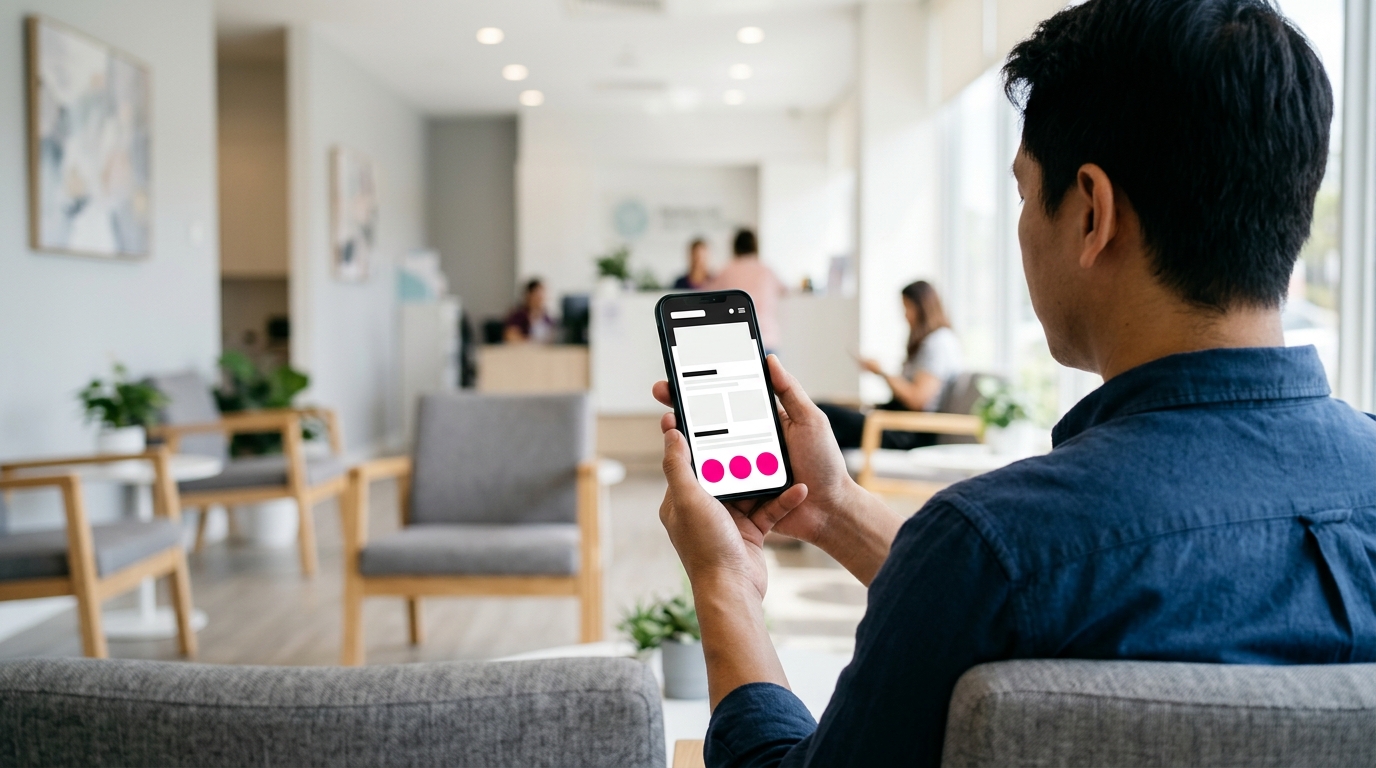
Patients seeking medical care across Malaysia evaluate practices on smartphones before scheduling consultations. Delivering the best medical clinic website design means pairing immediate patient reassurance with operational speed, providing transparent clinical capabilities, location guidance, and verified doctor backgrounds within moments of landing.
Many clinic directors invest in complex graphic layouts that appear elegant on desktop monitors but stall on mobile network connections. A clinic digital presence is an operational gateway that directly influences front-desk call load, appointment volumes, and patient trust.
Operating in Malaysia requires balancing patient acquisition with statutory oversight from the Ministry of Health Malaysia and the Malaysian Medical Council. Healthcare providers must avoid sensational claims while presenting services transparently under national advertising and data protection rules.
Implementing an intentional clinical infrastructure transforms a basic informational portal into a reliable patient intake system. Practices that align mobile usability with operational workflows secure long-term patient retention while upholding professional medical ethics.
1. Mobile User Experience and Patient Journey Mapping
A patient-centric clinical website prioritizes immediate action buttons, displaying clinic operating hours, contact options, emergency procedures, and practitioner credentials above the fold. Removing unnecessary aesthetic sliders ensures swift navigation, directly reducing patient bounce rates during high-stress healthcare searches across mobile networks in Malaysia.
Healthcare search journeys differ fundamentally from commercial ecommerce transactions. A person looking up an acute medical issue or emergency pediatric care is often distracted, stressed, and operating on erratic mobile connections. Forcing these visitors to pinch, zoom, or decipher complex menus causes immediate drop-offs.
Adhering to structured usability standards such as those detailed in the Google Search Central: SEO Starter Guide enables practices to establish clear layout hierarchies that work seamlessly across handheld devices. Core contact paths must remain persistently available throughout the visit.
“When a clinic site burdens an anxious parent with non-responsive menus or slow visual carousels, they leave for the next provider in the map pack within five seconds.” — Healthcare Clinical Operations Consultant, Lamanify
Designing for High-Stress Patient Scenarios
Urgent patient visitors require direct pathways to clinical assistance. Navigation bars should minimize decorative clutter and elevate utility:
- Placing tap-to-call and instant messaging triggers in fixed bottom navigation bars
- Eliminating auto-playing video reels and heavy hero carousel scripts that slow mobile rendering
- Designing clean visual hierarchies that highlight consultation hours and real-time open status
- Ensuring tap targets meet accessibility standards for elderly patients and parents holding children
Mobile Page Speed Thresholds for Clinical Conversions
A medical page that takes more than three seconds to load loses a significant portion of its traffic before the clinic address even renders. Integrating lightweight assets and connecting mobile visitors directly to WhatsApp automation channels converts immediate intent into confirmed clinical attendances.
2. Doctor Profiling and Practitioner Credibility Elements
Doctor bio pages must clearly display recognized medical degrees, specialized sub-field training, National Specialist Register entries, and current Malaysian Medical Council registrations. Highlighting genuine clinical backgrounds rather than promotional accolades establishes deep patient reassurance and ensures adherence to professional ethics in Malaysia.
Patients place their trust in individual medical professionals rather than abstract clinical branding. A clinical profile must communicate objective competency, clinical background, and professional standing without indulging in commercial exaggeration.
Creating substantive, patient-first biographical pages aligns with principles outlined in Google Search Central guidelines for helpful content. Clear, authentic practitioner information signals experience and clinical authority to both prospective patients and search algorithms.
Ethical Bio Guidelines Under MMC Directives
Practitioner presentations must remain strictly factual. Clinical descriptions should focus on formal training and practice areas rather than comparative boasts:
- Listing university qualifications, specialist accreditations, and professional council numbers
- Using professional, warm headshots in clinical attire instead of generic stock imagery
- Structuring personal statements around patient care philosophies rather than commercial claims
- Detailing spoken languages to assist multilingual demographics across urban Malaysian centers
Structuring Credential Displays for Search and User Trust
Structuring doctor biographies with verified sub-specialties improves discoverability when prospective patients search for focused medical disciplines. Coupling structured profile metadata with targeted healthcare SEO services allows private clinics to capture relevant clinical inquiries in their immediate locality.
3. Online Booking Systems and Digital Front-Desk Automation
Integrating online booking systems allows private clinics to capture appointments around the clock, automatically synchronizing calendars and reducing reception call loads. Solutions like LamaniHub provide intuitive slot selections and instant confirmations, significantly reducing patient no-shows and enhancing overall clinic administrative efficiency in Malaysia.
Relying entirely on manual telephone calls for appointment scheduling creates severe operational bottlenecks during morning triage hours. Reception staff juggle arriving patients while answering repetitive scheduling inquiries, resulting in long waiting times and dropped incoming calls.
Deploying the LamaniHub appointment system enables clinics to process booking requests uninterrupted, even outside standard operating hours. Incorporating a dedicated LamaniChat AI receptionist provides automated preliminary triage by answering routine queries regarding operational times, location access, and available testing panels.
| Operational Dimension | Manual Telephone Scheduling | Integrated Digital Booking |
|---|---|---|
| Availability | Restricted to clinic operating hours | 24/7 continuous patient intake |
| Staff Resource Allocation | High telephone triage interruption for nursing staff | Automated calendar synchronization without manual input |
| No-Show Rates | High without manual telephone reminder calls | Reduced via automated SMS and messaging reminders |
| Patient Intake Flow | Prone to spelling errors and misheard contact details | Direct, patient-verified data submission |
Bridging the After-Hours Appointment Capture Gap
More than half of non-emergency healthcare research occurs in the evening when clinics are closed. Digital self-scheduling captures this patient intent directly:
- Enabling 24/7 self-service slot booking for non-emergency consultations and screenings
- Sending automated confirmation alerts to decrease clinical missed appointments
- Reducing staff administrative burden so front-desk teams can focus on on-site patient triage
- Offering friction-free cancellation and rescheduling workflows that respect clinic notice windows
Synchronizing Web Booking with Clinical Practice Management
Modern online booking integrations must feed directly into practice calendars without creating double-booking conflicts. Real-time slot management provides transparency on practitioner availability, giving patients confidence that their reserved consultation time will be honored upon arrival.
4. Regulatory Compliance: KKLIU and PDPA Integration
Every Malaysian clinic website must strictly adhere to Medicine Advertisements Board guidelines by presenting only substantiated medical information, avoiding superlative cure guarantees. Additionally, registration forms must comply with the Personal Data Protection Act 2010 through explicit consent notices and encrypted data storage mechanisms in Malaysia.
Healthcare digital assets operate under rigorous statutory expectations in Malaysia. The Medicine Advertisements Board requires all public-facing medical notices, procedural explanations, and screening packages to remain objective, verified, and medically accurate. Superlatives such as “top”, “painless”, or “definitive cure” violate statutory standards and risk regulatory intervention.
Reviewing operational copy against an established KKLIU guideline helps practices present their treatments clearly without risking administrative penalties or marketing suspension.
“Medical web compliance is not merely about avoiding fines; transparent claims and encrypted intake systems signal clinical integrity to discerning patients.” — Healthcare Marketing Compliance Lead, Lamanify
Avoiding Misleading Advertising Claims and Penalties
Maintaining clinical compliance requires meticulous language selection across every service page:
- Auditing all treatment copy to eliminate banned superlatives such as ‘best’, ‘guaranteed’, or ‘painless’
- Prominently showcasing official approval codes on promotional packages and health screening banners (subject to KKLIU advertising guidelines)
- Adding mandatory consent checkboxes on digital patient inquiry and registration intake forms
- Implementing end-to-end SSL encryption and secure database configurations for patient records
Data Protection and Patient Form Architecture Under PDPA
Patient health inquiries contain sensitive personal information. Under the Personal Data Protection Act 2010, any web form capturing names, identification details, or medical complaints must incorporate explicit consent disclosures. Transparent policies explaining data retention and operational usage safeguard both patient rights and clinic liability.
5. Local Search Optimization and Google Business Profile Synergy
A clinically optimized website reinforces local search rankings by embedding structured schema markup, consistent contact coordinates, and dedicated service pages. Aligning website metadata precisely with Google Business Profile parameters maximizes geographic visibility, attracting high-intent local patients searching for urgent healthcare services across Malaysian neighborhoods.
The relationship between a clinic website and its local search visibility is symbiotic. Search engines rely on on-page data to verify the authenticity and location coordinates of map listings.
Practices must follow the official Google Business Profile representation guidelines, ensuring that the practice name, operational categories, and consultation hours published online mirror their physical clinic operations precisely.
Aligning On-Page Architecture with Google Map Packs
Local visibility depends on accurate technical signals distributed across the site:
- Maintaining identical NAP consistency across the website footer, contact pages, and business listings
- Embedding responsive maps with practical parking, transit, and landmark directions
- Developing dedicated, indexable service landing pages rather than condensing all treatments onto one page
- Structuring technical code using JSON-LD MedicalClinic schema to communicate specialties directly to search crawlers
Creating High-Conversion Specialty Treatment Pages
Grouping all medical disciplines onto a single generic webpage dilutes search relevance. High-performing clinic websites feature standalone pages for distinct clinical offerings, such as chronic illness management, childhood immunizations, or ultrasound diagnostics. This architectural depth allows individual clinical capabilities to rank effectively for local diagnostic queries.
Clinical Website Implementation Checklist
- Audit mobile loading speed on 4G networks to ensure key interactive elements render within two seconds.
- Implement sticky header or bottom-bar navigation containing direct click-to-call, WhatsApp, and location map triggers.
- Verify all practitioner biographies feature accredited degrees, registration numbers, and ethical statements aligned with MMC standards.
- Integrate automated 24/7 appointment software with real-time slot selection to capture patient bookings after office hours.
- Review all site copy to ensure health claims are factual, free of superlative promises, and compliant with KKLIU guidelines.
- Embed explicit PDPA consent notices and SSL encryption on all digital patient registration and contact forms.
Conclusion
Building the best medical clinic website design requires looking beyond visual trends and focusing on operational utility: rapid mobile loading, verified doctor profiles, automated booking pathways, and strict regulatory compliance. A medical practice website serves as an essential digital front desk that sets expectations for clinical excellence before a patient steps inside.
When clinical credibility and user experience operate in harmony, private practices establish lasting community trust while streamlining internal reception workflows. Investing in a robust digital foundation ensures your clinic remains accessible, professional, and compliant in a competitive healthcare landscape.
Evaluate your digital patient journey and eliminate operational friction with a Request a Comprehensive Clinic Growth Audit.
Frequently Asked Questions
What core features define effective medical clinic website design in Malaysia?
An effective medical clinic website requires mobile-first page speed, direct doctor credential displays, transparent service descriptions, a seamless appointment booking engine, and clear compliance markers aligned with Malaysian Medical Council guidelines.
How do KKLIU regulations affect medical clinic website designs?
The Medicine Advertisements Board requires that medical descriptions, procedures, and health claims remain factual, objective, and substantiated, prohibiting misleading outcome promises and mandatory approval codes for promotional material.
Why is online appointment booking essential on clinic websites?
Integrated scheduling reduces receptionist telephone load, prevents lost patient bookings after business hours, and routes enquiries directly into clinic management workflows with automated reminders.
How does personal data protection legislation impact patient contact forms?
Under the Personal Data Protection Act 2010, clinic websites collecting patient names, contact numbers, and health concerns must include explicit consent checkboxes, secure transport encryption, and transparent privacy disclosures.
Should a private clinic rely on website templates or custom design architecture?
While basic website templates offer fast deployment, custom clinical web architecture provides superior Core Web Vitals speed, bespoke integration with systems like LamaniHub, and structured schema implementation for local search.

Healthcare Content Specialist
Sarah
Sarah is a healthcare digital content specialist at Lamanify, focusing on Malaysian clinic compliance (KKLIU & PDPA), patient intake workflows, and medical practice marketing.