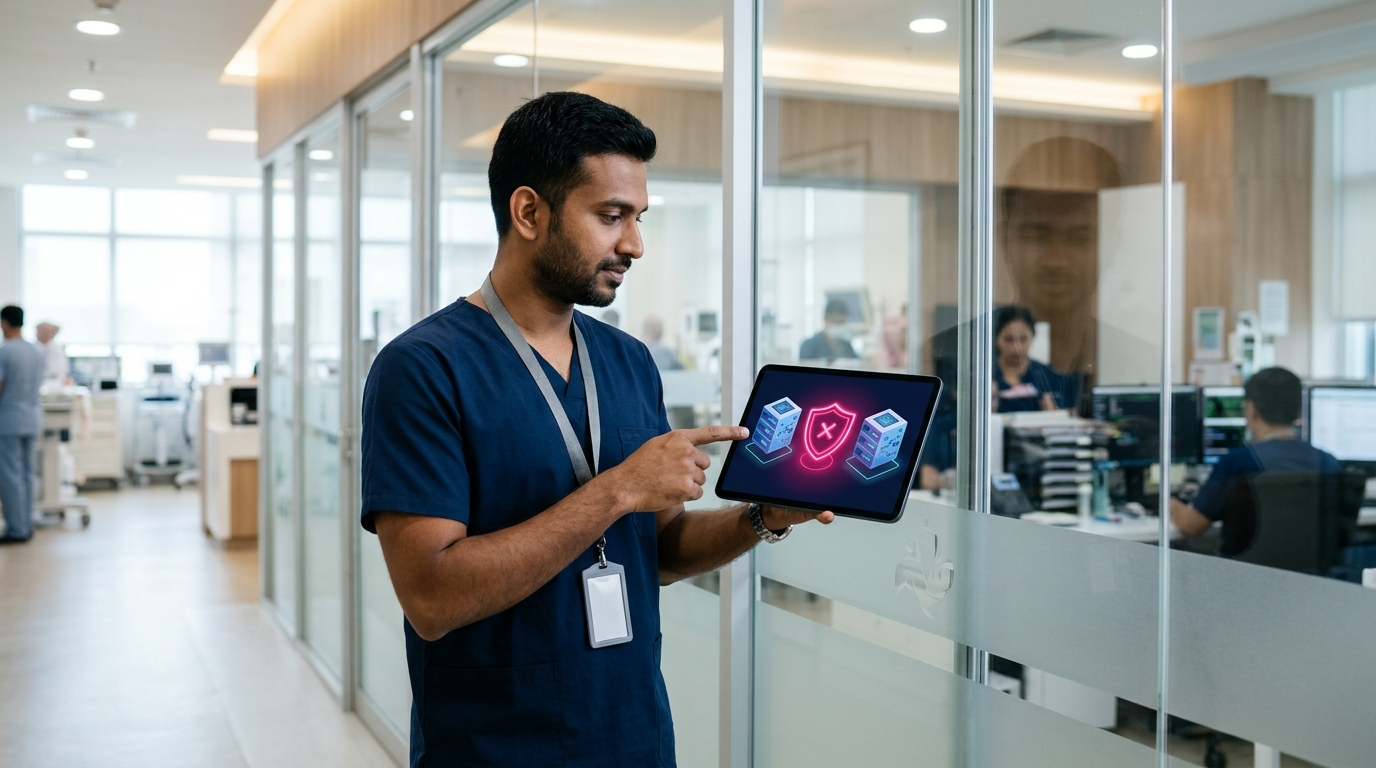
Quick Summary
- Core Concept: The Clinical Workflow Automation Matrix
- Key Stat: Over 68% of patient booking drop-offs in private outpatient clinics stem from unverified technical failures in appointment intake forms and third-party messaging integrations.
- Recommendation: Implement automated regression testing for critical patient intake funnels using lightweight headless test scripts, while ensuring zero real patient data is exposed in test environments.
Private healthcare providers in Malaysia frequently struggle with lost appointments when web portals, third-party calendars, or automated chat channels fail silently during peak hours. Deploying dependable automation tools for testing clinic booking software allows practice owners to detect digital bottlenecks early, safeguarding patient acquisition channels while upholding patient data privacy protocols under local regulations.
When prospective patients encounter a broken calendar selector, an unresponsive WhatsApp trigger, or a sluggish intake form, they rarely notify clinic staff. Instead, they bounce back to search engine listings and book an appointment with a competing practice nearby.
Medical administrators and clinic directors often assume testing requires dedicated engineering departments or exorbitant enterprise software licenses. In practice, modern testing frameworks enable healthcare practices to validate essential patient touchpoints automatically with minimal technical overhead.
This strategic guide details how Malaysian medical practices can assess open-source, commercial, and artificial intelligence-driven testing platforms while maintaining seamless patient journeys and regulatory compliance.
1. Why Clinic Patient Funnels Require Automated Quality Assurance
Automating clinical software verification eliminates human scheduling errors and prevents booking drop-offs in private Malaysian clinics. By systematically running end-to-end tests across WhatsApp bots, payment gateways, and clinic management systems, healthcare operators protect patient data integrity under the Personal Data Protection Act 2010 while ensuring uninterrupted service availability.
Modern private practices operate multi-channel acquisition funnels connecting search advertisements, responsive websites, and instant messaging systems. A breakdown anywhere along this chain damages conversion efficiency and wastes marketing budgets. For instance, when a booking calendar fails to update time slots in real time, multiple patients may reserve the same appointment window, creating front-desk chaos and negative patient experiences.
Technical unreliability also damages your search visibility. When technical errors cause high bounce rates or broken links, search engines flag poor user experience, undermining your investment in healthcare SEO services. Maintaining functional reliability aligns directly with standard quality checks outlined in the Google Search Central helpful content guidelines.
- Preventing silent failure in calendar appointment slot selection
- Validating WhatsApp webhook responsiveness during peak clinic hours
- Ensuring automated confirmation emails and SMS reminders deliver promptly
- Maintaining uninterrupted patient lead capture during paid ad campaigns
The Hidden Cost of Booking Bottlenecks
Unverified website updates often introduce hidden script conflicts that disable form submissions exclusively on mobile devices. Because mobile users account for the majority of local patient inquiries, a broken submit button can wipe out an entire weekend of potential consultations before front-desk staff even notice the drop in patient calls.
Why Manual Staff Verification Fails During Peak Hours
Relying on clinic receptionists to manually test booking forms between handling physical patient arrivals is impractical. Clinic staff are occupied with triage, billing, and patient care, meaning manual testing happens irregularly and rarely mimics real user stress loads across diverse browser environments.
“When technical handoffs break between your website and practice software, prospective patients do not file support tickets. They simply consult another doctor down the road.” — Healthcare Operations Consultant, Lamanify
2. Open-Source vs Commercial Test Automation Frameworks
Open-source frameworks like Playwright and Cypress allow technical clinic teams to script custom patient journey flows without recurring license costs. In contrast, commercial codeless test automation platforms enable non-technical clinic administrators to validate appointment booking systems and WhatsApp notifications rapidly without writing complex backend code.
Choosing the right testing platform depends on your clinic’s technical capacity and existing infrastructure. While open-source frameworks provide total control over test logic and seamless continuous integration pipelines, they demand ongoing maintenance by experienced web developers. Conversely, commercial testing tools charge monthly subscription fees but allow practice managers to record user interactions visually through intuitive browser extensions.
Practices looking to minimize internal technical overhead often opt for dedicated healthcare solutions like the LamaniHub appointment system, which delivers pre-tested booking flows and eliminates the need to build testing suites from scratch.
| Evaluation Metric | Open-Source Frameworks (e.g., Playwright) | Commercial No-Code Suites |
|---|---|---|
| Setup Complexity | High; requires coding and environment configuration | Low; visual recorder and cloud dashboard setup |
| Licensing Costs | Free and open-source | Monthly SaaS recurring subscription fees |
| Staff Skill Requirement | Software engineer or technical webmaster | Clinic administrative and front-desk personnel |
| Customization Flexibility | Extensive; supports complex database and API mocks | Constrained by vendor-supported platform features |
| Maintenance Overhead | Code updates required when website selectors change | Automatic self-healing features in premium tiers |
- Playwright: Fast execution, multi-tab support, and headless browser reliability
- Cypress: Intuitive frontend developer experience for patient portal interfaces
- Low-code cloud suites: Visual record-and-playback features for administrative staff
- Total cost of ownership: Developer maintenance hours versus recurring software subscription fees
Technical Capabilities Required for Open-Source Tooling
Engineering-led clinics utilizing frameworks like Playwright benefit from lightning-fast headless browser execution that can simulate complex multi-step patient bookings in seconds. However, sustaining these suites requires ongoing developer bandwidth to maintain code repositories whenever website page elements are updated.
Commercial No-Code Suites: Speed vs Vendor Lock-In
Commercial cloud suites allow practice managers to build regression checks without programming knowledge. While this accelerates initial deployment, clinics must evaluate potential vendor lock-in and ongoing subscription costs that scale upwards as test run frequency expands.
3. AI-Augmented Testing and Visual Regression for Healthcare Portals
AI-augmented automated testing platforms use self-healing selectors and visual regression algorithms to ensure clinic websites remain functional after CMS updates. For Malaysian healthcare practices, this automated visual validation confirms that mandatory regulatory disclosures, doctor credentials, and approved Medicine Advertisements Board license numbers remain clearly legible across mobile viewports.
Visual regression testing captures pixel-level screenshots of your live web pages and compares them against baseline designs whenever updates occur. This automated visual check ensures that vital navigation menus, doctor profile cards, and booking triggers do not overlap or disappear on smartphone displays.
Maintaining proper content hierarchy and clear user navigation also supports search engine crawlability and snippet indexing, aligning with standard recommendations in the Google Search Central SEO Starter Guide. Adopting visual AI testing shields clinics from display errors that could obscure vital clinic details or disclaimers.
- Self-healing test scripts that adapt when website CSS classes change
- Automated visual regression checking across iOS and Android viewports
- Verifying clear visibility of medical credentials and registration numbers
- Automated discovery of unresponsive interactive widgets and broken links
Preventing Layout Breakage on Mobile Devices
Mobile responsiveness is critical for healthcare clinics where over 80% of local patient appointments originate from mobile searches. Visual regression scripts automatically detect when updated layout blocks accidentally push consultation booking forms below the screen fold.
Ensuring Mandatory Regulatory Disclaimers Remain Visible
Any operational pricing tables or treatment details (subject to KKLIU advertising guidelines) require strict formatting and legible presentation. Visual testing ensures that necessary educational disclaimers and professional qualifications are never hidden by floating menu bars or mobile header banners. To align with local marketing standards, clinic owners frequently consult the KKLIU guideline to ensure digital layouts preserve necessary compliance disclosures.
4. Data Privacy and PDPA Compliance During Test Automation
Malaysian healthcare operators must ensure all automated test data replaces genuine electronic medical records with synthesized test records. Testing live booking databases with real patient phone numbers or NRIC identifiers violates the Personal Data Protection Act 2010 and contradicts Malaysian Medical Council confidentiality standards.
Automated scripts frequently populate registration forms, submit inquiries, and simulate patient onboarding sequences. If test automation runs directly against live production systems using real customer data, personal health information can accidentally leak into public test logs, developer terminals, or third-party cloud testing repositories.
Healthcare practices must enforce strict data sanitization rules before configuring automated testing pipelines. Incorporating synthetic patient names, dummy identification numbers, and sandbox mobile numbers prevents real patients from receiving automated test notifications or having their sensitive data exposed during routine testing cycles.
- Sanitizing staging databases to eliminate real NRIC, telephone, and diagnostic data
- Using mocked API services for WhatsApp messaging to avoid sending test spam to patients
- Restricting test environment access to authorized quality assurance personnel
- Documenting audit trails for automated processes interacting with staging patient records
Synthetic Data Generation for Clinic Workflow Testing
Modern quality assurance protocols use programmatic data generators to populate forms with realistic, non-identifiable information. This practice ensures your input fields are tested against edge cases—such as long names or varied address formats—without handling genuine personal records.
Sandbox Configurations for Messaging and Telehealth Gateways
Simulating patient chat interactions requires isolated testing environments. When testing automated messaging sequences with tools like WhatsApp automation, clinics must direct automated triggers to sandbox API numbers to verify delivery logic without sending test broadcasts to real patient contact lists.
5. Implementing Continuous Testing for Clinic Acquisition Funnels
Clinic operators should begin test automation by mapping their highest-revenue patient funnel, specifically appointment booking and online consultation intake forms. Continuous regression scripts must run before peak morning booking hours to catch third-party integration failures across payment gateways and local telecommunications SMS providers before patients experience booking friction.
Building a dependable testing pipeline does not require an enterprise engineering team. A private GP clinic or specialist center can start with a targeted smoke test covering three vital steps: opening the homepage, selecting an appointment slot, and verifying that the intake form accepts dummy patient details.
Clinics looking to minimize custom integration failures often deploy turnkey front-office assistants like the LamaniChat AI receptionist, which handles automated triage and patient inquiries within a pre-configured, tested architecture.
- Step 1: Map the end-to-end patient booking journey from landing page to booking confirmation
- Step 2: Script automated smoke tests verifying form submissions and calendar time slots
- Step 3: Schedule automated runners on CI/CD pipelines or cloud synthetic monitors
- Step 4: Configure automated alerting via messaging groups or email when test runs encounter latency or failure
Daily Morning Smoke Tests: Catching Issues Before Peak Booking Hours
Executing automated test scripts daily at 07:00 AM ensures that any third-party gateway downtime or hosting issues are flagged well before morning consultation traffic begins. Keeping your online schedule verified also supports your public directory accuracy, reinforcing operational profiles configured under the Google Business Profile Guidelines.
Automated Alerting and Fast-Response Protocols for Clinic Front Desks
When an automated script detects a failed booking submission, it should instantly dispatch an alert to your technical lead or practice manager. Immediate notification allows your front-office staff to display temporary backup contact numbers while technical adjustments are applied behind the scenes.
“A proactive five-minute smoke test run every morning protects thousands of Ringgit in clinical revenue and preserves patient confidence.” — Clinical Systems QA Lead, Lamanify
Operational Testing Implementation Checklist
- Audit critical patient conversion paths: identify online scheduling forms, WhatsApp buttons, and consultation portals.
- Select testing tools matched to clinic staff competence: choose Playwright for technical developers or codeless tools for practice managers.
- Strip all genuine patient records from testing databases to comply with the Personal Data Protection Act 2010.
- Set up synthetic test scripts to validate SMS, WhatsApp, and email confirmation webhooks using isolated sandbox credentials.
- Configure automated daily smoke tests to execute 30 minutes before clinic opening hours to detect third-party service outages.
- Establish an instant notification protocol to alert clinic administrative staff immediately when automated test failures occur.
Conclusion
Modern patient acquisition relies on flawless digital execution across every online booking and inquiry touchpoint. When practice managers implement targeted automation tools for testing clinic workflows, they protect clinic revenue from silent technical downtime while maintaining strict data governance.
Continuous testing safeguards your patient intake forms, ensures marketing campaigns convert predictably, and provides incoming patients with a seamless registration experience. Investing in reliable technical foundations ensures your practice remains accessible, professional, and compliant across all digital channels.
Ready to identify technical bottlenecks in your digital patient intake funnel? Request a Comprehensive Clinic Growth Audit to benchmark your booking workflows, improve local patient discovery, and optimize your clinic operations.
Frequently Asked Questions
What are automation tools for testing in a clinic environment?
Automation tools for testing in healthcare are software platforms that automatically run simulated patient interactions, verifying that appointment schedulers, WhatsApp bots, and intake forms function correctly without manual intervention.
Why should private clinics in Malaysia test patient booking workflows?
Testing patient booking workflows prevents silent technical glitches in appointment slots, payment processing, and messaging handoffs, safeguarding patient acquisition channels and maintaining compliance with local healthcare communication standards.
Can automated testing compromise patient medical records?
Automated testing will not compromise confidentiality if clinics use synthetic test data. Malaysian clinics must adhere to the Personal Data Protection Act 2010 by strictly avoiding real patient identification or health records in testing environments.
What is the difference between open-source and commercial testing tools for clinics?
Open-source tools like Playwright provide customizable, code-driven browser automation without subscription fees, while commercial tools offer no-code visual builders and cloud reporting suitable for non-technical clinic administrative staff.
How often should Malaysian GP clinics run automated regression tests?
Clinics should run automated regression tests before deploying any website or software updates, alongside automated daily smoke tests scheduled during early morning hours prior to peak patient booking traffic.

Healthcare Content Specialist
Sarah
Sarah is a healthcare digital content specialist at Lamanify, focusing on Malaysian clinic compliance (KKLIU & PDPA), patient intake workflows, and medical practice marketing.